Challenges in Employee Engagement | Common Issues & Effective Solutions
The Unseen Struggles Behind Employee Engagement
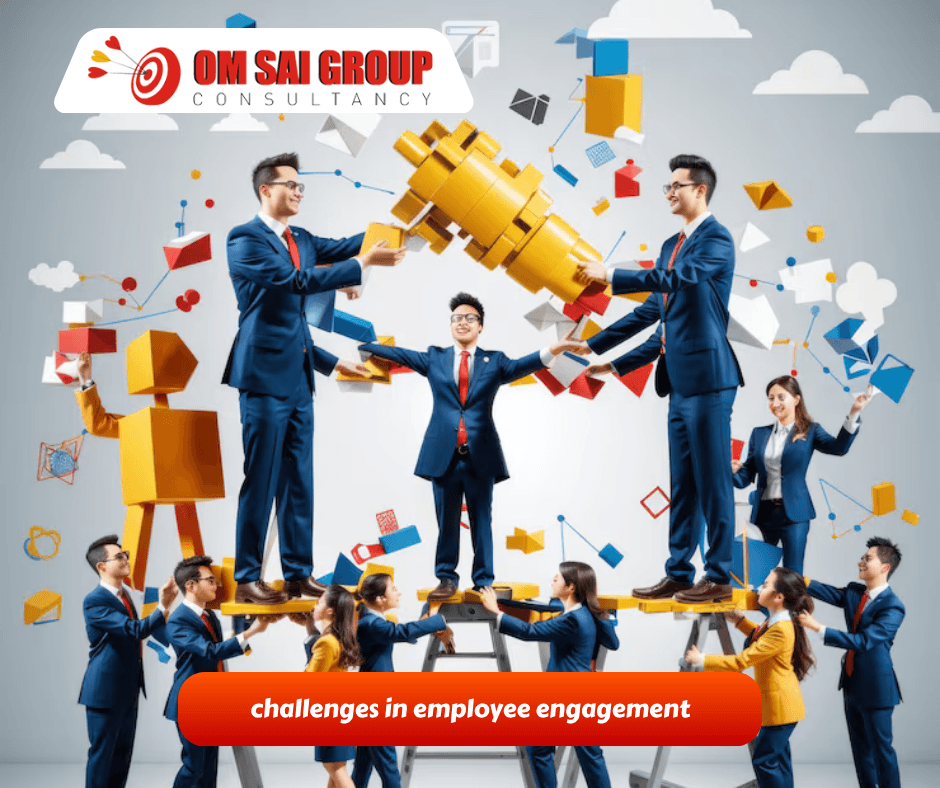
In today’s fast-evolving corporate ecosystem, employee engagement has grown from being just a buzzword to becoming an operational necessity. Yet, despite high levels of awareness among companies across various sectors, organizations are still battling stubborn pitfalls that stifle workplace passion, productivity, and retention. Understanding the Challenges in employee engagement in the workplace is no longer optional—it’s an essential step toward building a thriving and resilient workforce.
Imagine a workplace where employees come in every day, do their work, and go home with paychecks but not with emotional commitment, motivation, or purpose. Silent disengagement is much worse than open dissatisfaction. Research shows that businesses in which employees are disengaged exhibit 18% lower productivity and 15% lower profitability. These statistics represent the greater landscape of organizational fatigue, communication breakdowns, and leadership disconnects that characterize the Challenges in employee engagement in HRM today.
The Root Causes of Employee Disengagement
Employee engagement is a multidimensional concept that varies according to leadership behavior, work environment, growth opportunities, and culture in the company. When these elements fail to align, so does engagement. Following are some of the most common causes that provide the basis of both Challenges in employee engagement essay discussions and corporate studies:
1. Communication Gaps and Lack of Transparency
Effective communication is the oxygen of engagement. However, many organizations have fragmented communication systems through which key information trickles down unevenly. Employees want transparency-not just about the bigger picture of the company, but also about their own contributions. Wherever communication falters, employee engagement is sure to weaken. challenges in employee engagement
2. Limited growth and recognition opportunities
Workers of this modern age want more than a paycheck: recognition of their work, enhancement of their skills, and well-structured career development. If the organization fails to recognize their contribution or provide them with a clear avenue for growth, it will definitely lead to a loss in morale and motivation. Over time, a disengaged team forms that fails to perform to full capacity. challenges in employee engagement
3. Lack of Strong Leadership and Vision
Leadership is the heartbeat of engagement, and yet so many managers fail to create emotional bonds or paint an appealing vision. Bad leadership brings about disillusionment, mistrust, and apathy. Most Challenges in employee engagement in HRM stem from poor leadership that focuses more on metrics rather than people.
4. Workplace culture and misalignment of values
A strong organizational culture bonds employees together. However, in instances of a clash between personal values with corporate ethos, employees feel alienated. An unhealthy workplace culture-remarked by favoritism, poor collaboration, or lack of inclusivity-breed disengagement and resentment. challenges in employee engagement
5. Work-Life Imbalance and Burnout
In today’s fast-paced, always-connected environment, employees often struggle to balance work and personal life. Overly burdened schedules, combined with unrealistic expectations and lack of flexibility, create burnout-one of the most disregarded limitations in the realm of employee engagement. Engagement can simply not thrive in the absence of emotional and physical well-being. challenges in employee engagement
Understanding the Broader Implications
The impact of poor engagement goes beyond employee dissatisfaction-it affects every layer of the organization, from customer experience to financial outcomes. When employees disengage, innovation stalls, teamwork deteriorates, and turnover spikes. These outcomes bring to light why it is very important for human resource personnel and business leaders to understand challenges in employee engagement PDF reports and research data.
According to the Gallup Global Workplace Report, just 23 percent of employees worldwide are engaged at work. This sobering statistic makes it urgent to identify the components of employee engagement that most directly influence performance and satisfaction.
Engagement is not just motivation; it is about connection, empowerment, and purpose. Without these, even the most talented workforce stagnates.
Components of Employee Engagement: The Building Blocks of Change
Addressing the challenges of engagement means understanding its key components: leadership quality, recognition systems, flow of communication, learning opportunities, and feeling a part of it. Employees feel valued and motivated when these pillars align.
– Emotional Commitment: Worker personal connection to their job and the results of the organization.
– Appraisals and Recognition: Consistent recognition reinforces positive behavior and effort.
– Professional Development: Continued education opportunities preserve motivation and loyalty.
– Organizational Trust: Transparency and ethical leadership create psychological safety. challenges in employee engagement
– Workplace Collaboration: Inclusive teaming fosters mutual respect and collective success.
When these components link with HR strategies, engagement ceases to be something abstract and turns into measurable outcomes.
Common barriers and limitations to employee engagement
Even under strong engagement initiatives, some constraining factors still occur in organizations. Such limitations of employee engagement usually result from systemic issues or misaligned priorities set by leadership.
– Overemphasis on Short-Term Results: Companies that stress short-term quarterly profits neglect employee morale and longer-term retention.
– Inconsistent Engagement Policies: Without sustained leadership support, disengaged HR initiatives lead to shallow engagement.
– Lack of Emotional Intelligence: Many times, organizations ignore the emotional aspects of work dynamics, thereby resulting in low trust and morale.
– Resistance to Change: Traditional hierarchies and outdated management styles inhibit modern-day engagement initiatives.
These barriers point out the need for integrated frameworks of engagement, supported by leadership and culture transformation.
Effective Solutions to Overcome Engagement Challenges
Addressing the Challenges in employee engagement in the workplace requires actionable strategies that go beyond theoretical HR policies. The following solutions have been effective in transforming disengaged environments into thriving, motivated workplaces.
1. Strengthening Communication Frameworks
Instead, organizations must make sure there is open, two-way communication. Frequent feedback sessions, town hall meetings, and clear digital platforms help people share their opinions and be heard. challenges in employee engagement
2. Continuous Learning Programs Implementation
Investing in learning and development not only fosters professional growth but also signals long-term commitment to employee success. Upskilling initiatives keep employees both engaged and future-ready.
3. Redefining leadership models
The challenges in employee engagement in HRM can be effectively addressed by leadership training programs on empathy, communication, and inclusivity. Engagement success is about inspiring rather than instructing, which calls for transformational leadership.
4. Promoting Work-Life Integration
Flexible work time, hybrid models, and mind wellness programs reduce the probabilities of burnout and increase efficiency. challenges in employee engagement In work-life management, a balanced approach develops sustainable engagement.
5. Cultures Rich in Recognition
Acknowledge successes, big or small, through recognition. Personalized recognition and peer-to-peer programs increase satisfaction and belonging.
6. Measuring and Analyzing Engagement Metrics
Analytics and feedback surveys ensure that HR teams identify gaps in engagement at an early stage. Studying Challenges in employee engagement pdf reports and internal metrics supports evidence-based decision-making.

Examples to Inspire Employee Engagement
Several global organizations have succeeded in surmounting their engagement barriers through various innovative solutions.
– Google: Fostering independence and flexibility, this organization lets employees dedicate hours to creative projects.
– Microsoft: allows hybrid work models and supports employee mental health. challenges in employee engagement
– Infosys: Encourages engagement through continuous learning and transparent communication.
These examples illustrate how the power of technology, empathy, and purpose can be used to rebuild workforce motivation and loyalty.
Conclusion:
From Challenges to Opportunities Every organization has engagement challenges, but only those that take bold steps convert them into strengths. The Challenges in Employee Engagement essay discussions remind us that engagement isn’t a one-time initiative; it’s a continuous cultural commitment.
It will also unlock incredible possibilities where organizations recognize and address the limitations of employee engagement through innovation, empathy, and leadership integrity. Employees who feel valued, trusted, and empowered become advocates for growth, not just passive participants. Awareness ignites sustainable engagement, action propels it further, and alignment prospers it.
Understanding and addressing the Challenges in employee engagement in the workplace will not only raise the level of performance but also shape the foundation of a resilient, people-driven organization.